-
Healthy Tips from Pharmasave: Life After Prostate Cancer

-
Healthy Tips from Pharmasave: Choosing a Prostate Cancer Treatment

Making the choice When Doug was diagnosed with prostate cancer*, his first response was to get information. He read countless books, articles, and studies on prostate cancer, which made him feel more prepared for the hard times that lay ahead. He also sought out a second opinion for peace of mind. His wife was of…
-
Healthy Tips from Pharmasave: “You Have Prostate Cancer”

Finding out Doug is a real person. In 2002, he was 49 years old. When he went for his annual check-up, his family physician found a “pebbly” lump in his prostate with a digital rectal exam (DRE). The doctor assured him that he probably had nothing to worry about, but, being a thorough physician, he…
-
Healthy Tips from Pharmasave: Tips on Recovery
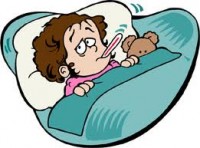
Knowing how viruses spread, it is understandable that the best way to prevent catching or spreading the flu or a cold is good hygiene: Wash your hands frequently. Avoid touching your eyes, nose, and mouth. Use a tissue if you are sneezing or coughing, and then discard the used tissue immediately. Clean hard surfaces with…
-
Healthy Tips from Pharmasave: When you Should Contact your Doctor

The main complications of the flu and the common cold are bacterial infections of the sinuses (sinusitis) or lungs (pneumonia). Symptoms of these complications include fever, chills, and yellow, green, or brown sputum or nasal discharge. Children may also develop ear infections (acute otitis media). You should consult your doctor or health care professional if…
-
Healthy Tips from Pharmasave: The Difference Between Influenza and the Common Cold

Both influenza and the common cold are viral respiratory infections (they affect the nose, throat, and lungs). Viruses are spread from person to person through airborne droplets that are sneezed out or coughed up by an infected person. In some cases, the viruses can be spread when a person touches an infected surface (e.g., doorknobs,…
-
Healthy Tips from Pharmasave: Flu and Cold – Tips on Prevention

The most effective way to decrease complications and reduce the impact of the flu is to get a preventative vaccine shot. The North American vaccine is developed each year to work against three strains of influenza virus, based on trends seen in the Southern Hemisphere. The best time for vaccination is early October to mid-November.…
-
Healthy Tips from Pharmasave: Food, fitness, and fun for the whole family

[break][break][break][break][break][break][break][break][break] The dietary goals for children and their families are well-balanced, healthy meals and a healthy approach to eating. These changes should be considered permanent rather than a temporary eating plan for rapid weight loss. Here are some tips for eating a healthy, well-balanced diet: Avoid skipping meals (especially breakfast). Try to include foods from…
-
Healthy Tips from Pharmasave: Bone-Building Buddy

[break][break][break][break][break][break][break][break][break] Our bodies need vitamin D to absorb calcium, the major building block of bone. It boosts the body’s ability to absorb calcium by up to 80%. Vitamin D becomes especially important as we get older, when calcium is less efficiently absorbed. Together, calcium and vitamin D can prevent osteoporosis, a condition where bones become…
-
Healthy Tips From Pharmasave: Kids get Arthritis too

Juvenile arthritis affects 1 in 1,000 Canadian children under 16 years old. A child is generally diagnosed with juvenile arthritis if the signs and symptoms of arthritis (swelling, redness, stiffness, and warmth in the joints) last more than 6 weeks. Some children don’t feel any pain, but instead experience a very limited range of motion…
-
Healthy Tips from Pharmasave: It’s in the Water!

[break][break][break][break][break][break][break][break][break] When you’re camping, it’s tempting to drink water straight from pristine-looking lakes and streams – but don’t do it! Microscopic single-celled parasites can cause illnesses in humans if ingested. Here are two common waterborne diseases that could ruin your week: Cryptosporidiosis (crip-toh-spore-id-ee-oh-sis) is caused by Cryptosporidium (crip-toh-spore-id-ee-um). The symptoms include diarrhea, headache, nausea, and…
-
Healthy Tips from Pharmasave: Arthritis – Easing the Discomfort
Arthritis is usually a chronic condition that needs long-term treatment. Some people do go into remission – meaning they’ll be pain-free for a while. However, if you are experiencing pain, it needs to be addressed. Fortunately, there are medications that can help. For rheumatoid arthritis, doctors often recommend medications such as: nonsteroidal anti-inflammatories (NSAIDs –…
-
September is Arthritis Awareness Month

Over 4 million Canadians have some form of arthritis. In fact, it’s one of the leading causes of long-term disability in Canada today. Appropriate treatment, as well as learning how to manage this chronic condition, can go a long way to help. Find out about the differences between the most common forms of arthritis and…
-
Healthy Tips from Pharmasave: Arthritis – a term for many disorders
Arthritis is a general term for several chronic and painful joint disorders. It affects people in different ways, depending on the type. The two most common forms are rheumatoid arthritis and osteoarthritis. Rheumatoid arthritis (RA) affects about 1% of the population. People of any age can get it, but the condition most often strikes around the age of 30…
-
Healthy Tips from Pharmasave: Don’t Let Arthritis Keep You Down

Living with arthritis means learning how to manage the symptoms and maximize mobility, and, for some types of arthritis, slowing down the progression of the disease with medications. First, see your doctor if you haven’t already. Pain relievers and anti-inflammatory medications can make it easier for you to move around, and can relieve joint stiffness.…


Tag: Pharmasave-tag
- *Feature
- *Pharmasave
- Amber Alert
- Ask Biella
- Business/Finance
- Christmas
- Elections
- Events
- Faith Forum – Gloria Wessner
- From My Bookshelf – Lynn Willoughby
- From The Teacher's Desk
- General
- Grassroots
- Guest Columnists
- Horoscopes
- Lex Monoxide
- Lifestyle
- News
- Opinion
- Organizations
- Politics
- Puzzles
- RCMP Updates
- Riley's Reading Ramblings
- Seasonal
- Solutions & Substitutions
- Tech, Tools & Traffic
- Voices