

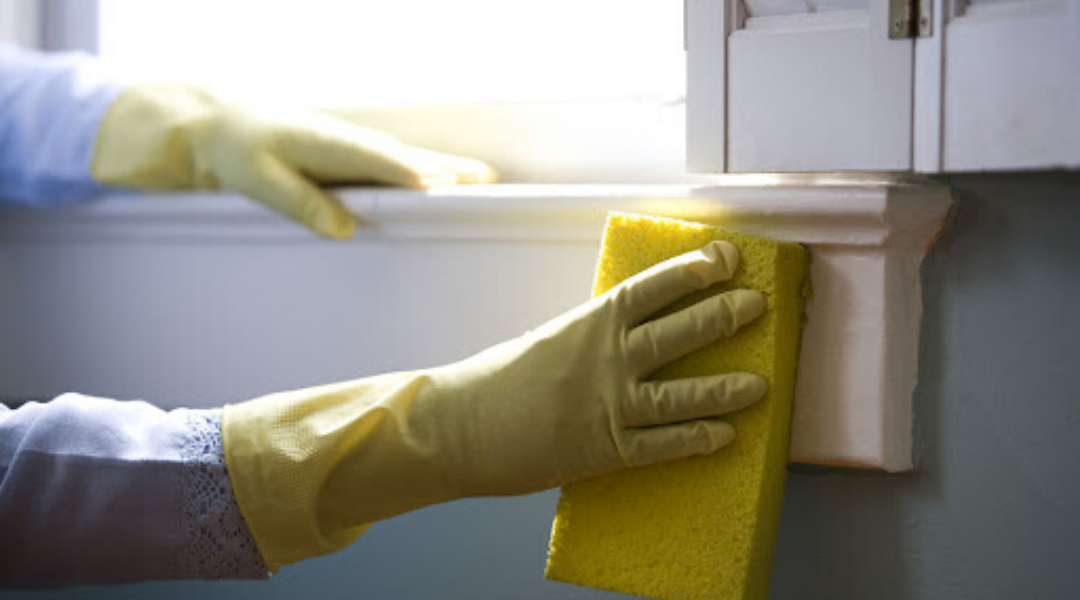

This document provides guidance on cleaning and disinfecting of public settings, including schools, universities, public libraries, museums, public transit, communal residences and workplaces. (Download PDF)
What you should know
- Surfaces frequently touched with hands are most likely to be contaminated. These include doorknobs, handrails, elevator buttons, light switches, cabinet handles, faucet handles, tables, countertops and electronics.
- It is not yet known how long the virus causing COVID-19 lives on surfaces, however, early evidence suggests it can live on objects and surfaces from a few hours to days.
Choose a product that cleans and disinfects
- When cleaning public spaces, choose products that clean and disinfect all at once (e.g. premixed store-bought disinfectant cleaning solutions and/or wipes when available).
- Cleaning products remove germs, dirt, and impurities from surfaces by using soap (or detergent) and water. Cleaning does not necessarily kill germs, but by removing them, it lowers their numbers and the risk of spreading infection.
- Disinfecting products kill germs on surfaces using chemicals.
- Use only approved hard-surface disinfectants that have a Drug Identification Number (DIN). A DIN is an 8-digit number given by Health Canada that confirms the disinfectant product is approved and safe for use in Canada.
Create a cleaning procedure
- Operators of community settings should develop or review protocols and procedures for cleaning public spaces. This will help determine where improvements or additional cleaning may be needed.
- Read and follow manufacturer’s instructions for safe use of cleaning and disinfection products (e.g. wear gloves, use in well-ventilated area, allow enough contact time for disinfectant to kill germs based on the product being used).
- Wash hands with soap and water or use alcohol-based hand sanitizer after removing gloves.
- Use damp cleaning methods such as damp clean cloths, and/or a wet mop. Do not dust or sweep which can distribute virus droplets into the air.
- Contaminated disposable cleaning items (e.g. mop heads, cloths) should be placed in a lined garbage bin before disposing of them with regular waste. Reusable cleaning items can be washed using regular laundry soap and hot water (60-90°C). Clean and disinfect surfaces that people touch often.
- In addition to routine cleaning, surfaces that are frequently touched with hands should be cleaned and disinfected more often, as well as when visibly dirty.
- Shared spaces such as kitchens and bathrooms should also be cleaned more often.
We can all do our part in preventing the spread of COVID-19.

For more information: Canada.ca/coronavirus 1-833-784-4397
Source: Public Health Agency of Canada